💡 Wine Cooler Buying Guide
➡️ Check out these 10 bestseller wine coolers that we hand picked and selected for your convenience:
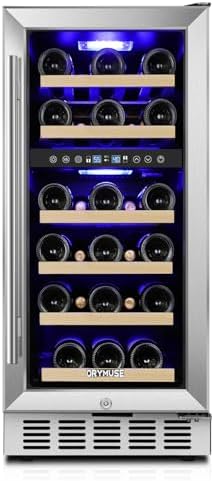


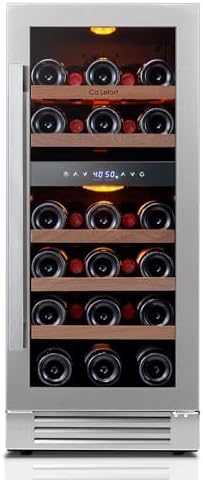

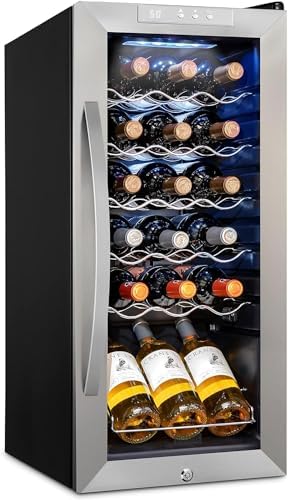

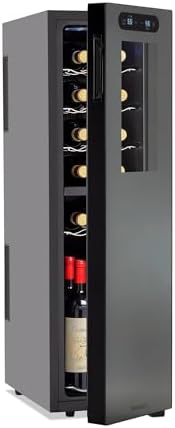

Disclosure: This post contains affiliate links. As an Amazon Associate, we earn from qualifying purchases at no extra cost to you.
Type & Placement
When choosing a wine cooler, the first step is deciding where it will be placed. Wine coolers come in several styles such as freestanding units, built-in undercounter models, and even tall full-size cabinets. Freestanding coolers offer the most flexibility and can be placed anywhere with proper ventilation, while built-in units are designed to fit seamlessly into kitchen or bar cabinetry. Think about whether the cooler will sit in your dining area, kitchen, basement, or entertainment room, because that location will influence its size, ventilation needs, and overall design style.
Capacity & Storage Design
Wine coolers vary widely in capacity, holding anywhere from a dozen bottles to several hundred. If you’re new to wine collecting or simply enjoy a few bottles at a time, a small or mid-size cooler may be enough. More serious collectors often prefer larger units with expandable storage. Interior design is also important—look for adjustable wooden or metal shelves that support different bottle shapes, especially if you enjoy champagne or European wines. Shelf spacing, slide-out rails, and bottle orientation all affect how comfortably and safely your collection can be stored.
Temperature Control & Cooling Performance
Proper temperature control is essential for preserving flavor and aroma. Most wine coolers offer temperature ranges between 41°F and 65°F, suitable for both reds and whites. Single-zone coolers maintain one consistent temperature and work well if you tend to store one type of wine. Dual-zone coolers provide separate compartments so you can chill whites at lower temperatures while keeping reds at slightly warmer levels. Cooling technologies vary—compressor systems offer strong, stable cooling, while thermoelectric models run more quietly but may struggle in warmer environments.
Installation & Ventilation
Installation depends heavily on the style of wine cooler you choose. Freestanding units need plenty of breathing room around the sides and back so heat can escape. Built-in or undercounter coolers use front ventilation, allowing them to be installed flush with cabinetry. Before installing, double-check measurements and leave enough clearance for proper airflow and door swing. For tall wine storage cabinets, ensure the floor is level and the area is stable enough to support the weight of a fully stocked cooler.
Features & Design Details
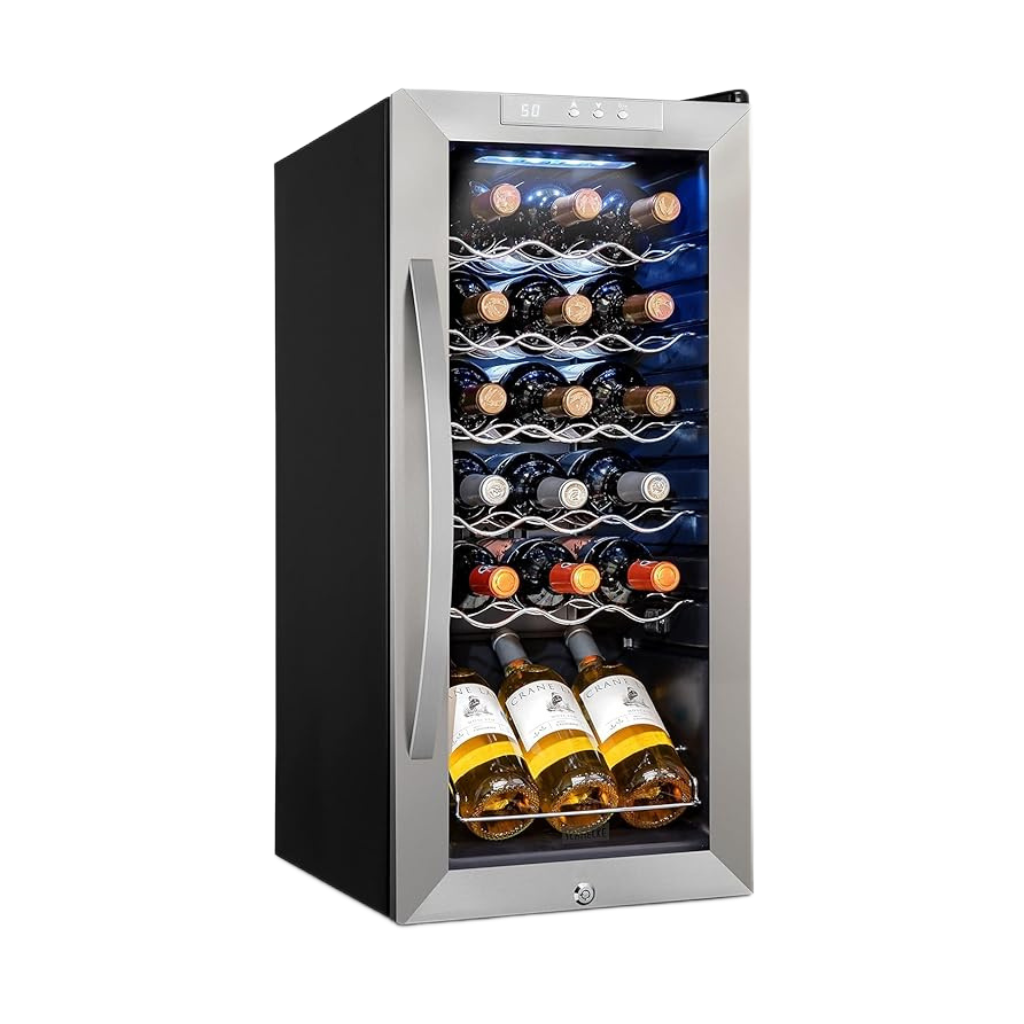
Wine coolers often include a range of features that help protect and showcase your collection. UV-protected glass doors prevent light damage, while LED lighting provides a soft glow that doesn’t affect temperature. Digital temperature controls make adjustments easy, and humidity management systems help maintain the ideal storage environment. Some units include locks for security, reversible doors for flexible placement, and vibration-dampening systems that minimize movement inside the cooler. Interior shelving design also contributes to the overall aesthetic, whether you prefer wood finishes or a more modern metal look.
Noise Level & Energy Efficiency
Since wine coolers often live in kitchens, dining rooms, or open living areas, noise level can play a role in your decision. Compressor models make a small hum during cooling cycles, while thermoelectric models operate more quietly but may not perform as well in warm spaces. Energy efficiency is another factor to consider, especially for larger units. LED lighting, improved insulation, and efficient cooling systems all help reduce energy consumption, making long-term operation more economical.
Maintenance & Care
A wine cooler requires relatively simple maintenance to keep it running well. Wiping down shelves, door seals, and the interior helps prevent odors and residue buildup. Temperature controls should be checked occasionally to ensure accuracy. For compressor-based coolers, cleaning the rear or front ventilation grilles improves airflow and cooling performance. It’s also helpful to rotate bottles occasionally and avoid overcrowding, as proper air circulation helps maintain consistent temperature and humidity levels throughout the cooler.
Matching Your Lifestyle & Budget
Wine coolers cater to a wide range of lifestyles—from casual wine drinkers to serious collectors. A small countertop unit is great for apartments or occasional wine enjoyment, while undercounter coolers fit seamlessly into modern kitchens or home bars. Larger multi-zone cabinets are perfect for collectors who want long-term storage and display. Pricing varies by size, cooling technology, and features, so it’s helpful to prioritize what matters most: bottle capacity, quiet operation, multi-zone temperature control, or high-end design touches.
Pre-Purchase Considerations
Before purchasing a wine cooler, measure your space carefully and choose between freestanding or built-in installation. Consider whether you need single-zone or dual-zone cooling based on your wine preferences. Think about bottle capacity, shelf design, and how many bottles you realistically plan to store. Noise level, energy use, lighting style, and door type are also worth reviewing. Once you’ve considered these details, you’ll be well-prepared to choose a wine cooler that protects your collection and keeps your favorite bottles ready to enjoy.
Check out more of our top rated recommended products in our APPLIANCES category.