💡 Kegerator Buying Guide
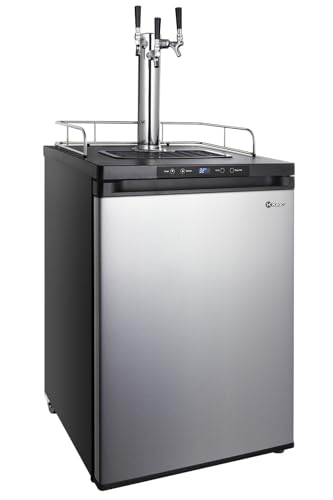
➡️ Check out these 5 bestseller kegerators (a.k.a. beer keg refrigerators) that we hand picked and selected for your convenience:



Disclosure: This post contains affiliate links. As an Amazon Associate, we earn from qualifying purchases at no extra cost to you.
Type & Placement
Choosing a kegerator starts with deciding where it will be used. Kegerators can be placed in home bars, kitchens, garages, entertainment rooms, patios, or commercial spaces like restaurants and taprooms. Their purpose is simple: dispense fresh, cold draft beer on tap. Placement matters because some models are built for indoor use only, while others are designed for outdoor environments with stronger insulation and upgraded cooling. Freestanding units offer flexibility and easy movement, while built-in kegerators are made to slide under countertops with proper front ventilation.
Capacity & Storage Design
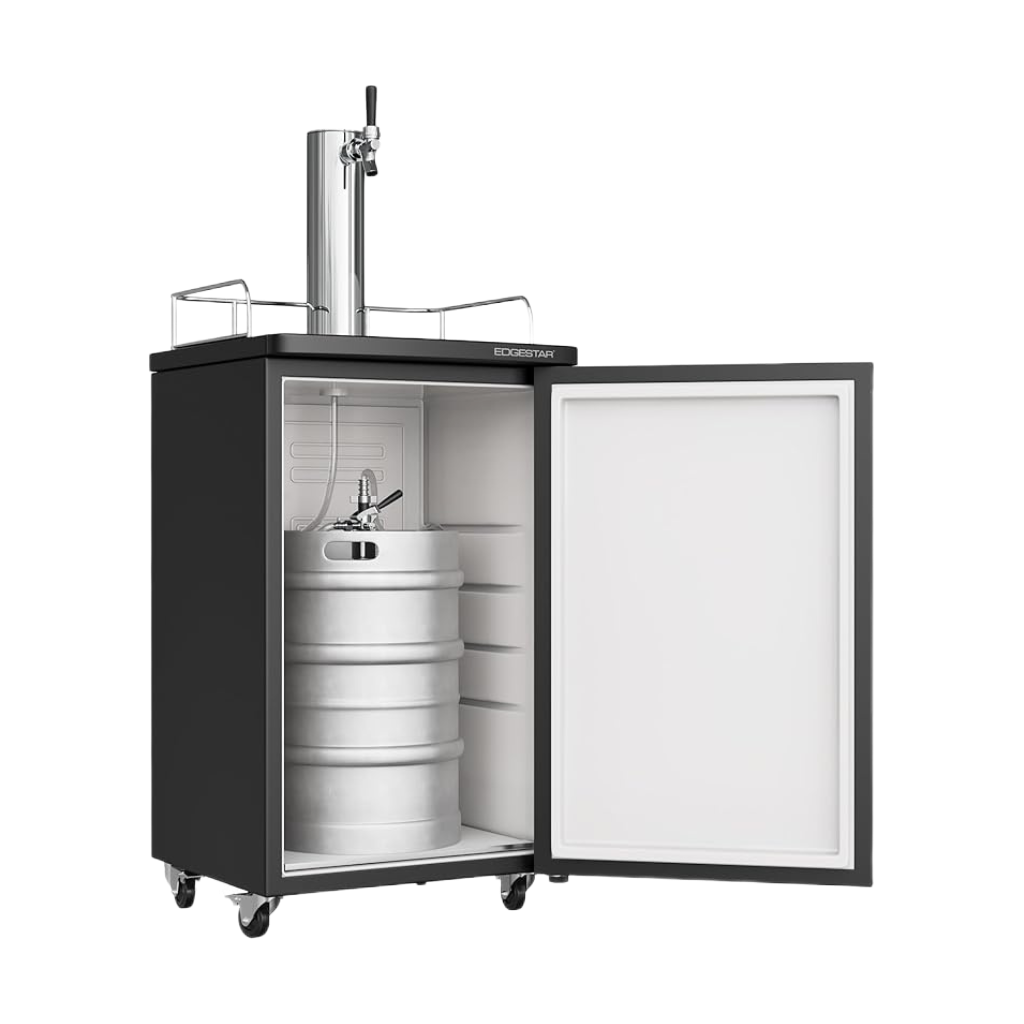
Kegerators come in different sizes, so capacity depends on the type of kegs you plan to use. Some can hold a single full-size half barrel, while others handle multiple smaller kegs like sixth barrels, Cornelius kegs, or slim quarters. Interior layouts vary, with adjustable keg brackets, removable drip trays, and storage space for CO₂ tanks either inside or mounted behind the unit. If you want to serve more than one beer at a time, look for dual-tap or triple-tap systems that let you run multiple kegs. A clear, roomy interior makes swapping kegs easier and ensures smooth CO₂ line routing.
Temperature Control & Cooling Performance
A good kegerator keeps beer cold and consistent from the keg to the tap. Most units have digital temperature controls with ranges between 32°F and 50°F, depending on beer style. Compressor-based cooling systems are standard because they maintain stable low temperatures even in warmer rooms. Internal circulation fans help distribute cold air evenly so the beer stays at the right serving temperature and avoids foaming issues. If you enjoy different types of beer, choose a unit that offers precise temperature adjustment so styles like lagers, ales, or stouts are always served correctly.
Installation & Ventilation
Kegerator installation depends on the style you choose. Freestanding units can be placed almost anywhere, but they need a few inches of clearance on the back and sides for ventilation. Built-in kegerators use a front-venting system that allows them to fit flush into cabinetry or under a bar counter without overheating. Make sure the surface is level so the keg sits properly, and confirm that the included tower, CO₂ tank, and regulator fit your setup. For commercial use, ensure the unit’s electrical and airflow requirements match the environment.
Features & Design Details
Kegerators include a range of features that improve usability and performance. Many models offer stainless-steel towers, chrome faucets, drip trays, and durable finishes that match other bar appliances. LED lighting helps you see inside when switching kegs, and digital displays make temperature management easy. Some units include dual-gauge CO₂ regulators, ball-lock or D-system connectors, and quick-change lines. If you value convenience, look for units with rolling casters, lockable doors, and tower fans that prevent the beer lines from warming. For outdoor installations, weather-resistant materials and upgraded seals are important for long-term durability.
Noise Level & Energy Efficiency
Since kegerators use compressors, they do produce a gentle humming sound similar to a mini-fridge. Higher-end models tend to run quieter thanks to better insulation and fan systems. If the kegerator will be located in a living room or indoor bar, choosing a quieter model can make a difference. Energy efficiency is also something to consider, especially for units that stay powered on year-round. Features like efficient compressors, improved insulation, and LED lighting help reduce electricity usage over time.
Maintenance & Care
Kegerators require a bit more maintenance than standard refrigerators because of the beer lines and dispensing components. Regular cleaning of the beer lines, faucet, and coupler helps maintain fresh flavor and prevents buildup. The drip tray should be emptied and cleaned often, and the interior should be wiped down between keg changes. CO₂ tanks need periodic refills, and the lines and regulator should be checked for leaks. Keeping the condenser coils clean and ensuring good airflow will help the cooling system run efficiently.
Matching Your Lifestyle & Budget
A kegerator can be a great fit whether you’re a casual beer drinker, a homebrewer, or someone who entertains often. Compact single-tap systems are perfect for smaller spaces or single-beer setups, while larger dual- or triple-tap models cater to beer lovers who want variety. Homebrewers often prefer units compatible with Cornelius kegs, while commercial users prioritize durability and fast recovery times. Prices range widely, so consider which features matter most: number of taps, keg capacity, digital controls, outdoor readiness, or commercial-grade components.
Pre-Purchase Considerations
Before buying a kegerator, measure your space and confirm whether you need a freestanding or built-in model. Think about which keg types you plan to use and how many you want to serve at once. Check what comes in the kit: tower, faucets, CO₂ tank, regulator, and connectors. Consider noise level if it will be indoors, and look at energy usage if it will run constantly. Finally, think about whether you’ll need accessories like extra tap handles, upgraded faucets, or cleaning kits. Once these details are clear, you’ll be ready to choose a kegerator that keeps your beer cold, fresh, and always ready to pour.
Check out more of our top rated recommended products in our APPLIANCES category.