💡 Commercial Ice Maker Buying Guide
➡️ Check out these 10 bestseller commercial ice makers that we hand picked and selected for your convenience:



Disclosure: This post contains affiliate links. As an Amazon Associate, we earn from qualifying purchases at no extra cost to you.
Type & Placement
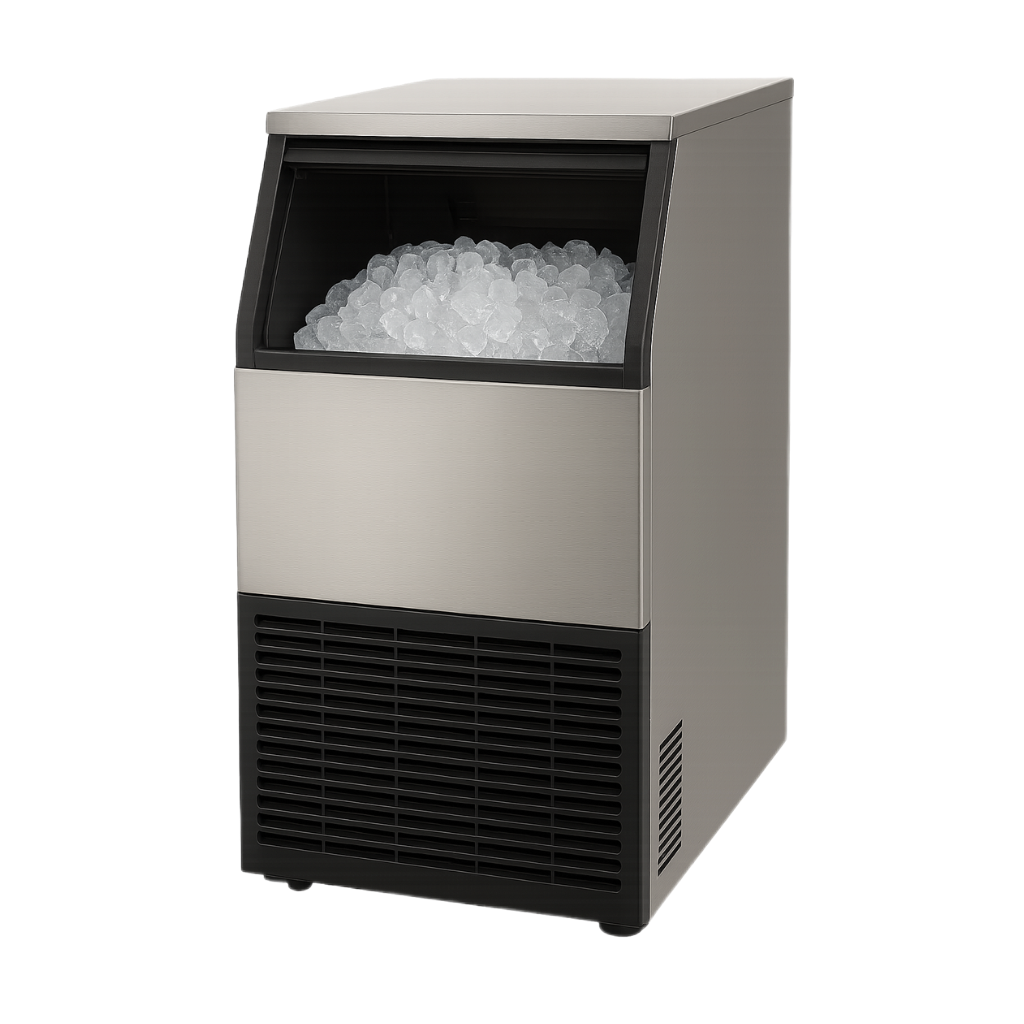
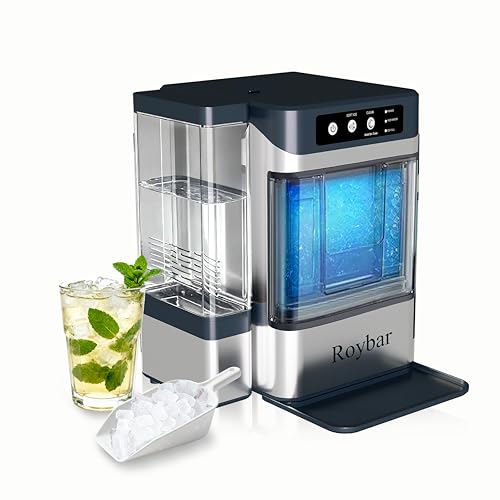
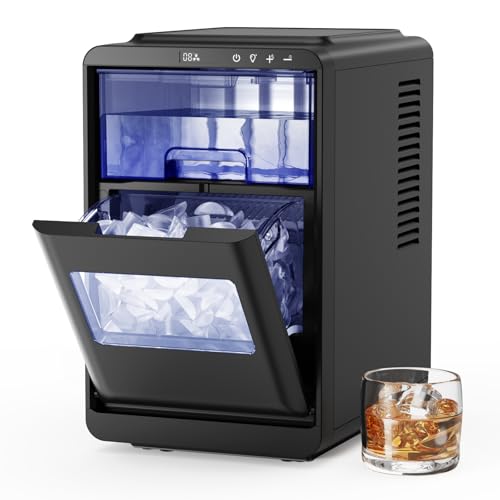
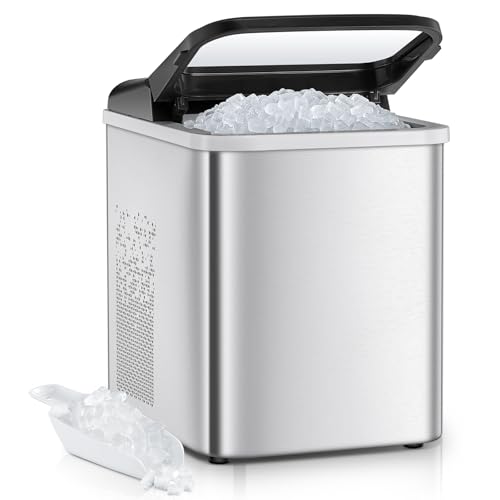
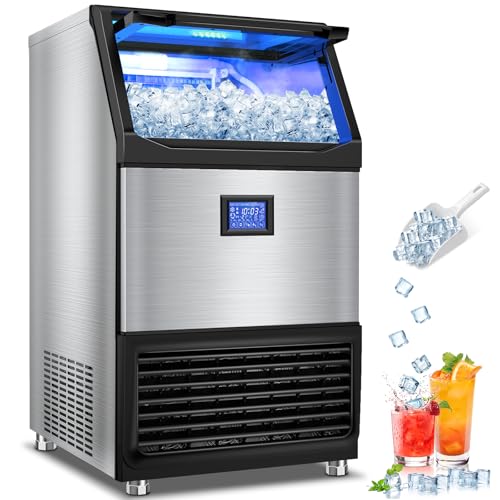
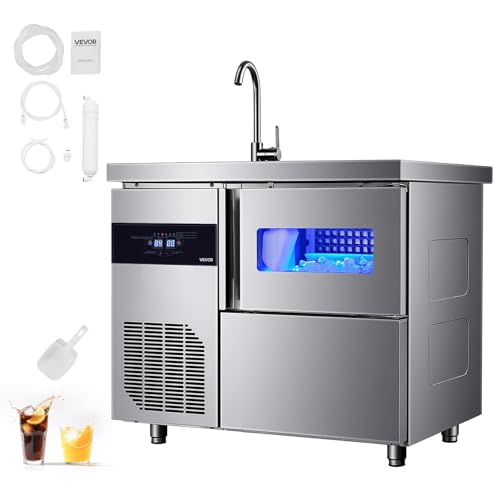
Choosing a commercial ice maker starts with understanding where and how you’ll use it. These machines come in several styles — modular, undercounter, and countertop. Modular ice makers are the most common in restaurants, bars, and hotels because they’re designed to sit on top of separate storage bins or dispensers. Undercounter models are compact units that fit neatly beneath counters, great for cafés or small bars that need constant access to fresh ice but have limited space. Countertop units are often used for self-serve areas like offices or healthcare settings, where guests or staff can easily scoop ice as needed. The key is to match your machine’s design to your space and ice demand.
Ice Production & Storage Capacity
Commercial ice makers are built to handle serious volume, but not every business needs the same output. Smaller operations might only need 50 to 100 pounds of ice a day, while busy bars, restaurants, or catering services could require 400 pounds or more. It’s important to calculate your daily usage carefully — consider not just drinks, but also food preparation, display, or storage needs. The storage bin capacity matters just as much as production rate. A high-output machine with a small bin might waste ice once it reaches full capacity, while a large bin with too little production can leave you short during rush hours. The right balance between the two ensures a steady supply without excess waste.
Ice Shape & Type
The shape of the ice can impact both presentation and practicality. For example, full cubes are crystal-clear and melt slowly, making them perfect for cocktails and high-end beverages. Half cubes or smaller dice melt a bit faster but are ideal for soft drinks or blended drinks because they cool quickly. Nugget or “chewable” ice is popular in healthcare and fast-food environments thanks to its soft texture and quick-chilling properties. Flake ice, on the other hand, is perfect for seafood displays, salad bars, and medical uses where gentle cooling is needed. Think about what you’ll be using the ice for most — the right shape can make a big difference in both look and efficiency.
Installation Requirements & Water/Drainage
Commercial units are powerful machines, and their installation often requires planning ahead. Most need a dedicated water line, proper drainage, and a stable electrical setup. It’s essential to check the manufacturer’s requirements for water pressure and line size before installation to avoid performance issues. Ventilation is another key factor — air-cooled models need space around the unit for airflow, while water-cooled versions require an additional water line but perform better in hot or cramped environments. If you’re installing it in a kitchen or bar area, make sure there’s enough clearance for maintenance and cleaning as well.
Features & Extras to Consider
Modern commercial ice makers come with features that improve reliability and efficiency. Self-cleaning cycles can drastically reduce maintenance time, while antimicrobial components help keep the ice sanitary. Some models include advanced diagnostic systems that alert you when maintenance is needed or production slows. Energy-efficient units can reduce operating costs, especially if your business runs ice production 24/7. You’ll also find smart models that monitor usage and adjust production automatically to meet demand. Choosing a unit with the right mix of these features can save you time, reduce downtime, and ensure consistent ice quality for customers.
Maintenance & Water Quality
Maintenance is a non-negotiable part of owning a commercial ice maker. Because these machines run constantly, mineral buildup, scale, and bacteria can accumulate quickly if not cleaned regularly. Using a water filtration system is one of the best ways to protect your machine and improve ice quality — filtered water produces clearer, better-tasting ice and helps prevent internal wear. Regular descaling and sanitizing also keep the system running efficiently. It’s smart to set a cleaning schedule based on your daily use; some businesses do it monthly, others every few weeks depending on water hardness and workload.
Matching Your Business Needs & Budget
A good commercial ice maker isn’t just about capacity — it’s about reliability and efficiency. Smaller cafés or offices might prioritize compact design and quiet operation, while restaurants, bars, and hotels need heavy-duty units that can keep up with nonstop demand. Outdoor venues or food trucks might need air-cooled machines that can handle higher temperatures. Your budget should reflect both the initial cost and the long-term expenses like installation, water usage, and maintenance. It’s often better to invest in a slightly higher-end model with better reliability than to deal with downtime or costly repairs later.
Pre-Purchase Considerations
Before finalizing your purchase, take time to review your specific operational needs. Consider how much space you have, your average daily ice demand, and where the unit will be installed. Think about the type of ice your customers prefer — clear cubes for cocktails, soft nugget ice for sodas, or flake ice for displays. Make sure your electrical and plumbing setup meets the machine’s requirements, and check for local codes or permits if applicable. Planning ahead ensures your commercial ice maker runs efficiently from day one and keeps your operation running smoothly without interruptions.
Check out more of our top rated recommended products in our APPLIANCES category